 801 988 6800


How Hospitals Can Stop Robocalls Before They Reach Patient Rooms and Nursing Stations
Key Takeaways
- Direct-dial patient rooms and nursing stations can allow automated calls to bypass the hospital operator and reach patients or clinical staff directly.
- Robocalls can expose patients to prerecorded scams while interrupting nurses and other employees during time-sensitive work.
- Caller ID, spam labels, carrier blocking, and STIR/SHAKEN can reduce some unwanted traffic, but they do not verify that every caller is human.
- Human-verification screening asks inbound callers to complete a simple spoken instruction before the protected extension rings.
- Hospitals can stop robocalls while continuing to connect legitimate calls from families, physicians, caregivers, pharmacies, vendors, and other unfamiliar numbers.
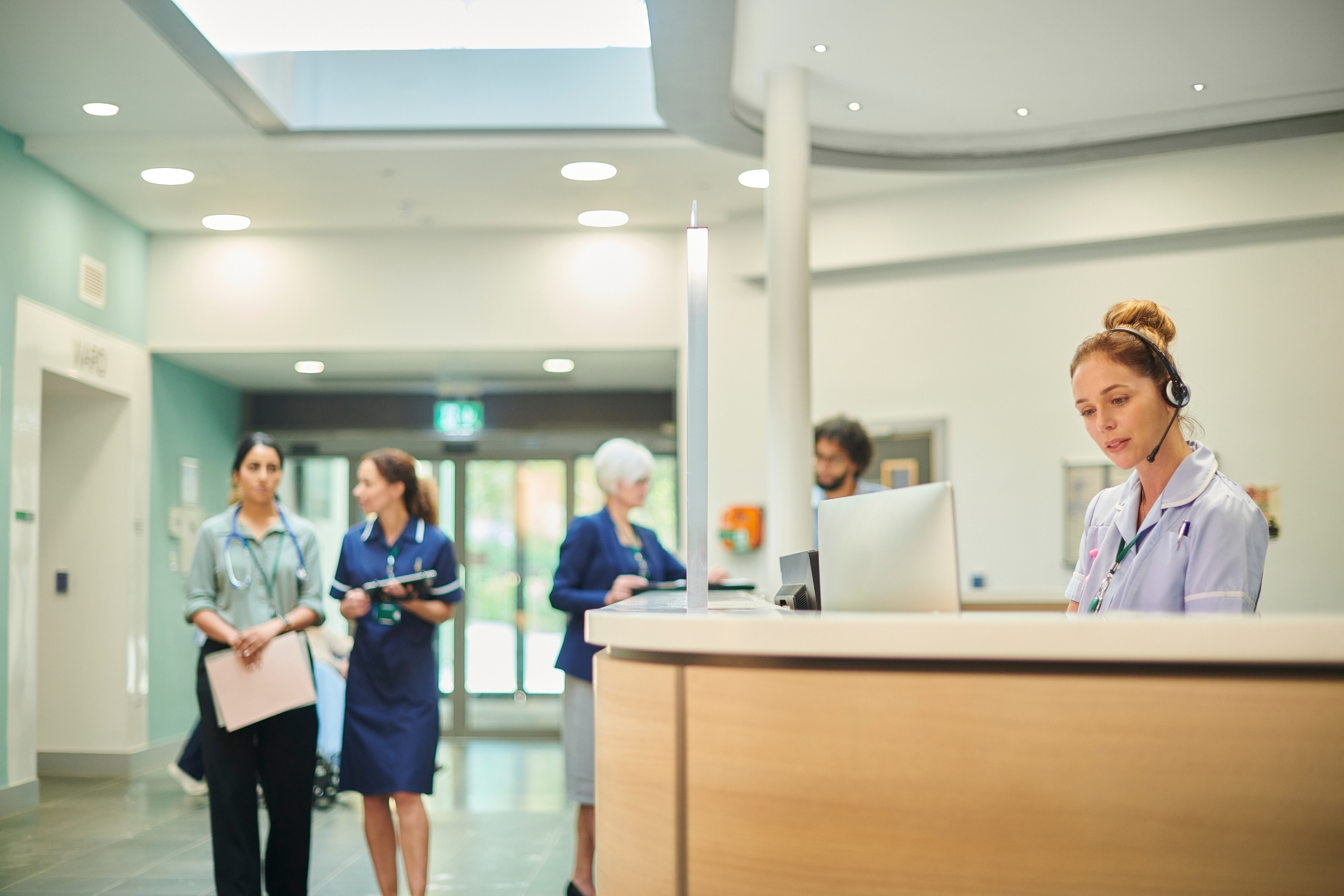
Hospitals cannot treat every unfamiliar caller as a threat. A call from an unknown number could come from a patient’s family member, an outside physician, a pharmacy, a laboratory, a home health provider, an insurer, or another organization involved in care. Keeping hospital telephone systems accessible is essential to patient service and clinical coordination.
That accessibility can also leave certain extensions exposed to robocalls. When a hospital provides direct-dial access to patient rooms, nursing stations, clinics, or departments, an automated caller may be able to reach the intended destination without first speaking to an operator. The person answering the call must then determine whether it is legitimate—often while ill, medicated, distracted, or managing several clinical responsibilities.
Some robocalls are merely disruptive. Others deliver fraudulent insurance offers, fake government messages, medical-device promotions, payment demands, or prerecorded voice-phishing attempts. Even when no one provides information or loses money, repeated calls can interrupt staff, occupy phone lines, and undermine patients’ sense of security.
The risk is significant enough that Congress directed the Federal Communications Commission to establish a Hospital Robocall Protection Group under the TRACED Act. Its resulting best-practices report addressed how voice providers, hospitals, and government agencies can help prevent and mitigate unlawful robocalls targeting hospitals and patients. TELECOMMUNICATIONS
For hospitals, however, the solution cannot be to block every unknown number. Overly restrictive controls could prevent legitimate callers from reaching patients or staff.
The more practical objective is to screen calls before protected extensions ring, distinguish automated callers from people, and allow verified human callers to continue. This approach can stop robocalls at the hospital’s communications perimeter while preserving the legitimate connections patients, families, and clinical teams depend on.
Why Patient Rooms and Nursing Stations Are Particularly Exposed to Robocalls
Hospital phone systems are designed to make people reachable. Patients need contact with their families, nurses need to communicate with clinical teams, and departments must remain accessible to outside providers and service partners.
The same accessibility that supports care can allow robocalls to reach people who are poorly positioned to evaluate them.
Direct-dial numbers can bypass the hospital operator
A caller trying to reach a hospital may traditionally begin with the main switchboard or facility operator. Many hospitals, however, also provide direct inward dialing to patient rooms, nursing stations, clinics, and departments.
Direct dialing improves convenience by allowing legitimate callers to reach their destinations without waiting for an operator. It also means an automated caller may not encounter a person or screening process before the destination rings.
Robocallers can use automated dialing systems to call large ranges of numbers. If those ranges contain active hospital extensions, prerecorded messages may reach:
- Patient rooms
- Nursing units
- Reception desks
- Scheduling departments
- Billing offices
- Pharmacies
- Clinics
- Administrative offices
- Other publicly reachable lines
The automated caller does not necessarily need to know who uses each extension. It can dial numbers at scale and wait for someone to answer.
Patients may answer without hospital staff present
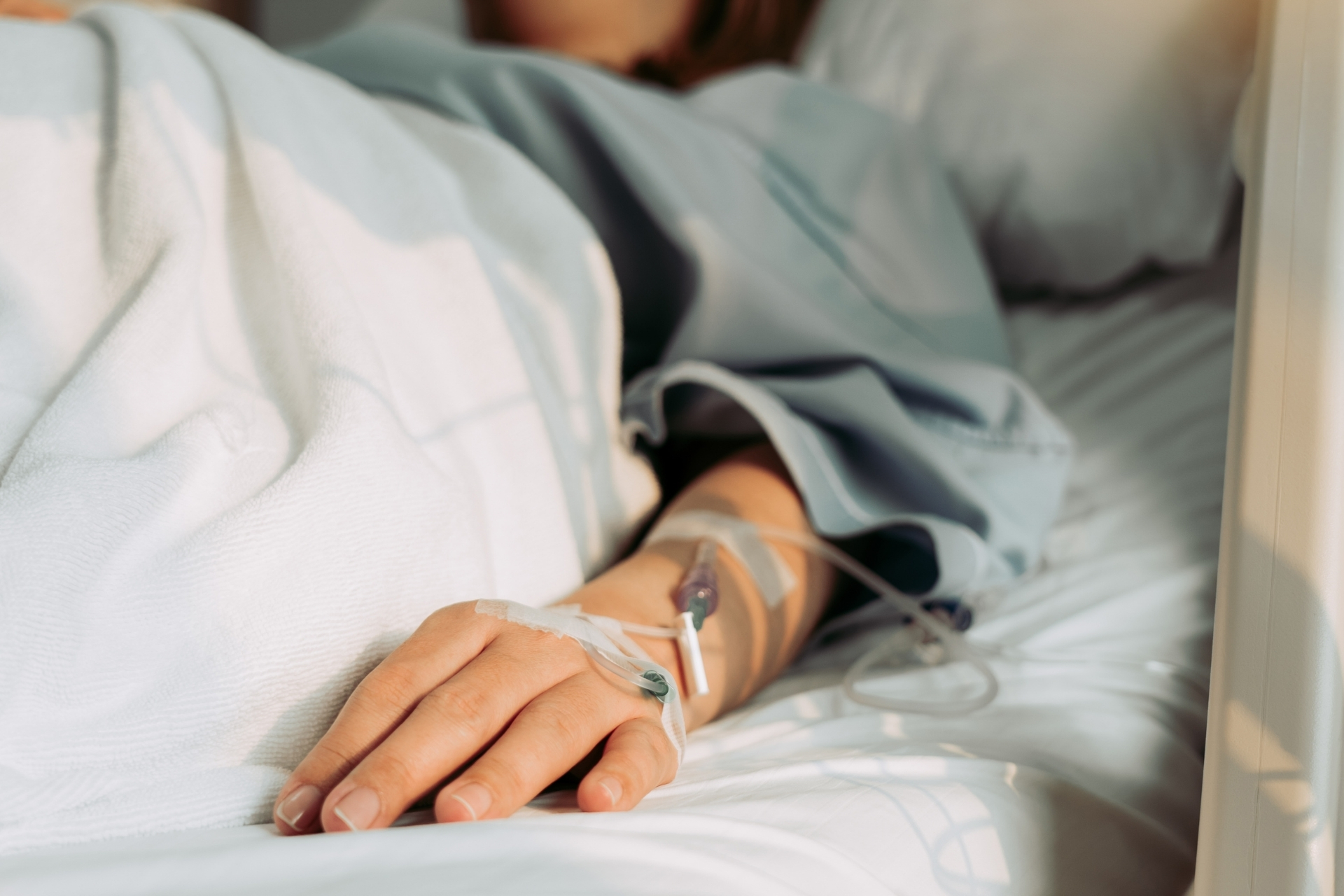
A patient-room telephone provides valuable contact with family members and caregivers. It may also give an outside caller direct access to someone without an employee available to assess the call.
A patient may be:
- Recovering from a procedure
- Taking medication that affects alertness
- Experiencing pain, stress, or fatigue
- Waiting for information about treatment or discharge
- Expecting calls from insurers, pharmacies, providers, or family members
- Unfamiliar with the hospital’s billing and communication procedures
A fraudulent message can exploit this uncertainty.
For example, an automated caller might claim that the patient must verify insurance information, pay an outstanding hospital balance, confirm eligibility for a benefit, or speak with a representative about a prescription or medical device.
The message may sound plausible because patients routinely interact with healthcare providers, insurers, pharmacies, and billing departments. The caller can then ask the patient to press a number, call another line, or wait for a live representative.
Even if the hospital did not originate or authorize the call, the patient may assume that a call reaching the room has some connection to the facility.
Nursing stations are designed to respond quickly
Nursing stations receive calls from many sources, including physicians, laboratories, pharmacies, other units, patient families, ancillary services, and outside providers.
Because some calls may involve time-sensitive patient needs, staff cannot simply ignore every unfamiliar number. The expectation that calls will be answered creates an opportunity for unwanted automated traffic.
A robocall reaching a nursing station can:
- Interrupt a clinical conversation
- Pull attention away from documentation or coordination
- Require a staff member to determine whether the call is legitimate
- Occupy a line needed for another caller
- Add to an already demanding communication workload
- Deliver a recorded message designed to prompt further action
The immediate time spent answering may be brief, but the interruption can still matter. Nursing work frequently requires concentration, prioritization, and transitions among several patient needs.
The American Nurses Association describes nursing as extending across the patient experience and including care coordination, advocacy, protection, and the treatment of human responses. Reducing avoidable communication noise can help nurses preserve attention for those responsibilities.
Publicly available numbers are difficult to conceal
Hospitals publish telephone numbers because patients and communities need them.
Numbers may appear on:
- Hospital websites
- Provider directories
- Patient materials
- Insurance directories
- Search engine listings
- Public records
- Partner websites
- Discharge instructions
- Printed brochures
- Online maps and business profiles
Trying to keep every hospital number private would conflict with accessibility and patient service. It would also provide limited protection because dialing software can test number ranges without finding each extension in a directory first.
The goal should therefore be to protect publicly reachable numbers—not to make the hospital difficult to contact.
Large hospitals have broad and varied phone environments
A hospital telephone environment may contain thousands of endpoints with different purposes and risk levels.
Some extensions may use modern VoIP devices, while others connect through legacy PBX equipment or analog lines. A health system may also operate several hospitals, outpatient clinics, administrative offices, and acquired facilities using different platforms.
This creates practical challenges:
- Protection available on one carrier may not apply everywhere.
- Mobile call-blocking apps cannot protect analog room phones.
- Spam labels may appear on some devices but not others.
- Policies may differ among facilities.
- Older extensions may not support newer device-level features.
- Telecom and security responsibilities may be divided among several teams.
A hospital-wide strategy needs to account for the call path before traffic reaches these different endpoints. Protecting calls only at the individual phone level can leave large parts of the environment uncovered.
Asking patients and nurses to identify every robocall is too late
Caller awareness remains important, but relying on the person answering is a reactive approach. By the time someone hears the prerecorded message, the robocall has already:
- Reached the protected destination
- Caused the phone to ring
- Interrupted a patient or employee
- Occupied attention and telephone capacity
- Created an opportunity for further engagement
The FCC’s Hospital Robocall Protection Group recognized that hospitals face distinct risks from unlawful automated calls and recommended cooperation among hospitals, voice service providers, and government agencies to prevent and mitigate them.
For patient rooms and nursing stations, the most effective point of intervention is before the destination rings. Screening the inbound caller earlier in the call flow prevents the automated message from reaching the person who would otherwise have to recognize and reject it.
How Hospitals Can Stop Robocalls Before Protected Extensions Ring
The most direct way to protect patient rooms and nursing stations is to screen inbound calls before the destination phone rings.
Instead of asking the patient or employee to judge whether a call is suspicious, the hospital can require the caller to demonstrate that they are human. Automated calls that cannot complete the verification process are prevented from reaching the protected extension.
Human verification adds a screening point to the call flow
When an inbound caller tries to reach a protected destination, the screening system plays a simple spoken instruction. The caller may be asked to press a specified number on the telephone keypad before the call can continue.
The process follows a straightforward path:
- An inbound caller dials a protected hospital number or extension.
- The caller hears a brief human-verification instruction.
- The system waits for the requested response.
- A caller who responds correctly is connected to the intended destination.
- A robocall that cannot complete the instruction is prevented from connecting.
Because verification occurs before the extension rings, the patient or employee does not have to answer, listen to the recording, or disconnect the call.
Screening does not depend entirely on caller ID
Many call-blocking systems evaluate the telephone number rather than the caller’s behavior.
They may consider whether the number:
- Has previously received spam complaints
- Appears on a known blocklist
- Is making an unusually large number of calls
- Has a suspicious calling pattern
- Matches the caller ID information presented
- Is already known to the recipient
These signals can help identify suspicious traffic, but robocallers can change numbers, spoof caller ID, or use numbers that have not yet developed a negative reputation.
Human verification evaluates what the caller can do during the current call. Even when a number appears local or has never been reported, an automated caller must still understand and complete the instruction before connecting.
This closes the period during which a newly used number may pass through a reputation-based filter simply because there is not yet enough data about it.
Legitimate callers can connect from unfamiliar numbers
Hospitals cannot limit incoming calls to a fixed list of known numbers.
A patient’s relative may call from a new phone. A physician may use a personal device. A caregiver may call while traveling. Pharmacies, laboratories, insurers, transportation providers, and other healthcare partners may use several outbound numbers.
Human verification allows these callers to connect based on their response rather than their number’s reputation.
A legitimate caller does not need to:
- Install an application
- Use a hospital-issued device
- Register in advance
- Call from a recognized number
- Wait for an administrator to approve the call
- Appear in a spam-reputation database
Once the person completes the brief challenge, the call continues normally to the patient room, nursing station, clinic, or department.
Hospitals may also configure known or trusted numbers according to their call-handling requirements. The important distinction is that unfamiliar human callers still have a path to the intended destination.
Automated messages cannot proceed as if they were people
A conventional robocall is programmed to dial a number and begin playing a recorded or artificially generated message. It does not listen to a spoken instruction, interpret which number has been requested, and provide the corresponding response.
As a result, the call cannot complete the human-verification challenge.
This allows the screening system to provide 100% protection against robocalls reaching protected extensions. In this context, “100% protection” means that automated callers unable to complete the human-response challenge do not connect to patient rooms, nursing stations, or other protected destinations.
The claim does not mean the system can determine the intentions of every person who calls.
Human vishing calls still require additional safeguards
A human scammer may hear the instruction, press the requested number, and connect successfully. That caller has demonstrated that they are a person—not that they are trustworthy.
This is why hospitals still need procedures for handling callers who request:
- Patient information
- Account credentials
- Password resets
- Multifactor authentication codes
- Payment or insurance details
- Changes to vendor banking information
- Remote access to a system
- Exceptions to normal security procedures
Employees should independently verify unusual requests using trusted contact information rather than relying on the caller ID or a number provided during the call.
Human verification and workforce training therefore address different risks:
- Human verification stops automated calls before they reach protected extensions.
- Security procedures and training help people respond safely to suspicious human callers.
Hospitals can protect selected call destinations
Not every hospital number necessarily requires the same treatment.
The organization can prioritize protection for destinations where robocalls create the greatest risk or disruption, such as:
- Direct-dial patient rooms
- Nursing stations
- Intensive care and specialty units
- Hospital operators and reception desks
- Clinics and scheduling departments
- Billing and patient financial services
- Pharmacies
- Medical records departments
- IT help desks
- Administrative offices
This allows the hospital to align call screening with its operational needs and existing call flows.
By placing verification before these destinations, hospitals can stop automated traffic at the communications perimeter while preserving direct access for legitimate human callers. The result is not a closed phone system, but a more controlled path into it.
How to Add Robocall Protection Without Disrupting Hospital Communications
Hospitals cannot treat telephone-system changes like ordinary software updates. Inbound calling supports patient contact, family communication, clinical coordination, scheduling, referrals, billing, and other daily operations.
Robocall protection should therefore be introduced in a way that reduces unwanted traffic without interrupting legitimate communications or forcing the hospital to replace infrastructure that still works.
Map the existing inbound call flow
Before deploying screening, the hospital should document how external calls enter and move through its communications environment.
The assessment should identify:
- Main hospital numbers
- Direct inward dialing ranges
- Patient-room extensions
- Nursing stations
- Operators and automated attendants
- Department and clinic numbers
- Contact-center queues
- Emergency and priority call paths
- After-hours routing
- Voicemail and forwarding rules
- Connections among multiple facilities
This helps the implementation team determine where human verification should occur and which call paths require special handling.
It can also reveal inconsistent protection. For example, calls routed through the main operator may already receive some human review, while direct-dial patient rooms remain reachable without screening.
Work with existing PBX, VoIP, and hybrid systems
Many hospitals operate a combination of legacy and modern communications technology. Replacing every component before adding robocall protection would increase cost, extend implementation time, and create unnecessary operational risk.
A hospital-level solution should be able to work with existing environments that may include:
- Legacy PBX infrastructure
- VoIP platforms
- SIP-based services
- Analog patient-room phones
- Digital desk phones
- Contact-center systems
- Multiple carriers
- Equipment from different vendors
The screening process should occur before the call reaches the protected endpoint. This allows an analog room phone or older desk phone to benefit even when the device itself has no spam-labeling or call-blocking features.
Begin with the highest-risk destinations
Hospitals do not necessarily have to enable protection for every number at once.
A phased implementation can begin with destinations that experience frequent robocalls or serve especially vulnerable users. Initial priorities might include:
- Direct-dial patient rooms
- Units receiving repeated unwanted calls
- Nursing stations
- Billing and financial services
- Medical records
- Hospital operators
- IT help desks
Starting with a defined group gives telecom, IT, security, nursing, and operations teams an opportunity to evaluate the call flow before expanding coverage.
Test the legitimate-caller experience
A successful implementation must protect the hospital without making it unnecessarily difficult to reach.
Testing should include calls from:
- Patient family members
- Physicians and other providers
- Pharmacies and laboratories
- Insurers
- Home health and post-acute partners
- Vendors
- Mobile phones
- Landlines
- Unknown or previously unused numbers
The hospital should confirm that callers can hear the instruction clearly, enter the requested response, and connect to the correct destination without unreasonable delay.
Testing should also consider callers with disabilities, language needs, or difficulty using telephone keypads. These scenarios may require alternate routing or other accommodations consistent with the hospital’s accessibility responsibilities.
Coordinate across clinical, technical, and administrative teams
Robocall protection affects more than the IT department.
A deployment may require input from:
- Telecom administrators
- Information technology
- Cybersecurity
- Nursing leadership
- Patient experience
- Privacy and compliance
- Risk management
- Facilities and operations
- Contact-center leadership
- Executive sponsors
Telecom teams understand call routing and infrastructure. Clinical and operational leaders understand which communications are time-sensitive. Privacy and security teams can evaluate data handling and access. Patient-experience teams can assess how the verification process affects families and other callers.
Bringing these perspectives together helps the hospital avoid technical decisions that create unintended operational problems.
Monitor results after deployment
After screening is enabled, the hospital should review whether it is achieving the intended outcome.
Useful questions include:
- Are robocalls still reaching protected extensions?
- Are human callers completing verification successfully?
- Have nurses or patients reported communication problems?
- Are certain departments receiving more automated attempts than others?
- Do call-routing rules need adjustment?
- Should protection expand to additional extensions or facilities?
- Have changes to the phone system created new unprotected paths?
Monitoring allows the hospital to improve coverage while preserving legitimate access.
Human-verification screening does not require the hospital to close its phone system or replace every endpoint. By mapping call flows, integrating with existing infrastructure, testing carefully, and expanding protection in stages, hospitals can stop automated calls before they reach patients and staff without disrupting the communications that support care.
Frequently Asked Questions
Can hospitals stop 100% of robocalls from reaching patient rooms?
Yes. Human-verification screening can provide 100% protection against robocalls by requiring inbound callers to understand and complete a simple instruction before the protected extension rings. Automated callers that cannot provide the requested response are prevented from reaching the patient room, nursing station, or department.
The claim applies specifically to automated calls. A human scammer may complete the challenge and must be addressed through additional security procedures.
Will call screening block legitimate calls from family members?
Legitimate human callers can complete the verification challenge and continue to the intended destination, even when they call from an unfamiliar number. Family members do not need to install an application, register in advance, or appear on an approved contact list to verify that they are human.
Hospitals should still test the caller experience and establish alternate handling where accessibility or other communication needs require accommodation.
Does STIR/SHAKEN already protect hospitals from robocalls?
STIR/SHAKEN authenticates information about the caller ID as a call travels through participating telephone networks. It can help carriers identify spoofing, but it does not determine whether the caller is human, whether the call is wanted, or whether the caller has honest intentions.
Human verification complements STIR/SHAKEN by evaluating whether the caller can understand and respond to an instruction before connecting.
Can a hospital add robocall protection without replacing its phone system?
Robocall protection can be integrated with existing PBX, VoIP, SIP, legacy, and hybrid hospital telephone environments. Because screening occurs in the inbound call flow, protected analog and legacy phones do not need to perform the verification themselves.
The hospital should assess compatibility with its specific carriers, platforms, routing rules, and multi-facility architecture before deployment.
Does hospital robocall protection stop vishing?
It stops automated vishing calls that cannot pass the human-verification challenge. It does not automatically stop a human scammer who listens to the instruction, enters the requested response, and continues with a social-engineering attempt.
Hospitals should combine automated-call screening with employee training, caller-verification procedures, access controls, patient education, and incident-response processes.

Final Thoughts
Hospitals can stop robocalls without making it harder for families, physicians, caregivers, and other legitimate callers to connect. Callegra Hospital Robocall Blocker uses human-verification screening to prevent automated calls from reaching protected patient rooms, nursing stations, clinics, and departments while integrating with existing PBX and VoIP infrastructure.
Schedule a consultation with Callegra Technologies to explore how your hospital can add 100% robocall protection without a disruptive rip-and-replace project.
Recent Blogs